As solar power systems continue to scale across residential, commercial, and utility applications, long-term success depends on more than just high-efficiency modules. Structural design is the element that ensures a solar installation performs safely and efficiently for decades. A well-engineered solar mounting structure is the foundation that connects energy production with long-term reliability.
Strength Begins with Engineering
Solar structures must withstand constant environmental stress — wind, snow, thermal expansion, seismic activity, and corrosion. These forces act on the system every day over its entire lifecycle. Without proper engineering analysis, even minor structural weaknesses can lead to performance loss, higher maintenance costs, or safety risks.
Designing for strength starts with accurate load calculations, appropriate material selection, and precise connection design. Each mounting system must be tailored to its environment rather than treated as a one-size-fits-all solution.
Efficiency Is Built into the Structure
Structural design directly influences energy efficiency. Mounting systems determine panel tilt angles, orientation, height, and spacing. Poorly designed structures can cause shading losses, inefficient airflow, or sub-optimal solar exposure. In contrast, optimized mounting solutions maximize sunlight capture and improve overall system yield.
For large solar farms, even small improvements in layout and tilt accuracy can result in significant gains in annual energy production. For rooftops, efficient structural design ensures maximum use of limited space without compromising building safety.
Materials Matter Over the Long Term
Solar projects are long-term investments expected to operate for 25–30 years. Choosing the right materials is essential to protect that investment. Galvanized steel and high-grade aluminum provide strength while offering corrosion resistance in harsh climates. Durable materials reduce degradation, prevent structural fatigue, and minimize maintenance requirements over time.
Quality manufacturing and surface treatments further enhance lifespan, ensuring that structures maintain performance long after installation.
Adapting Structures to Different Applications
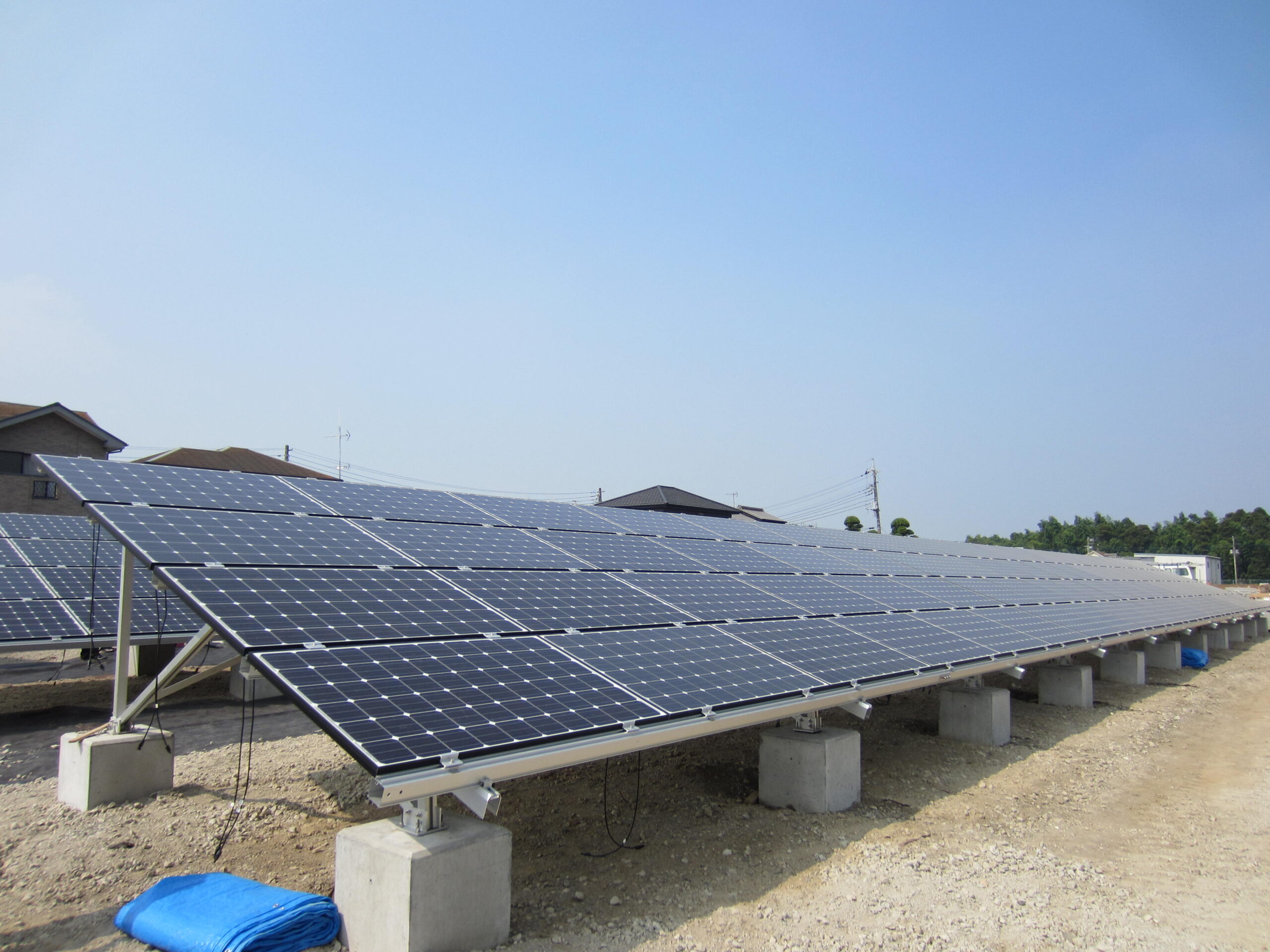
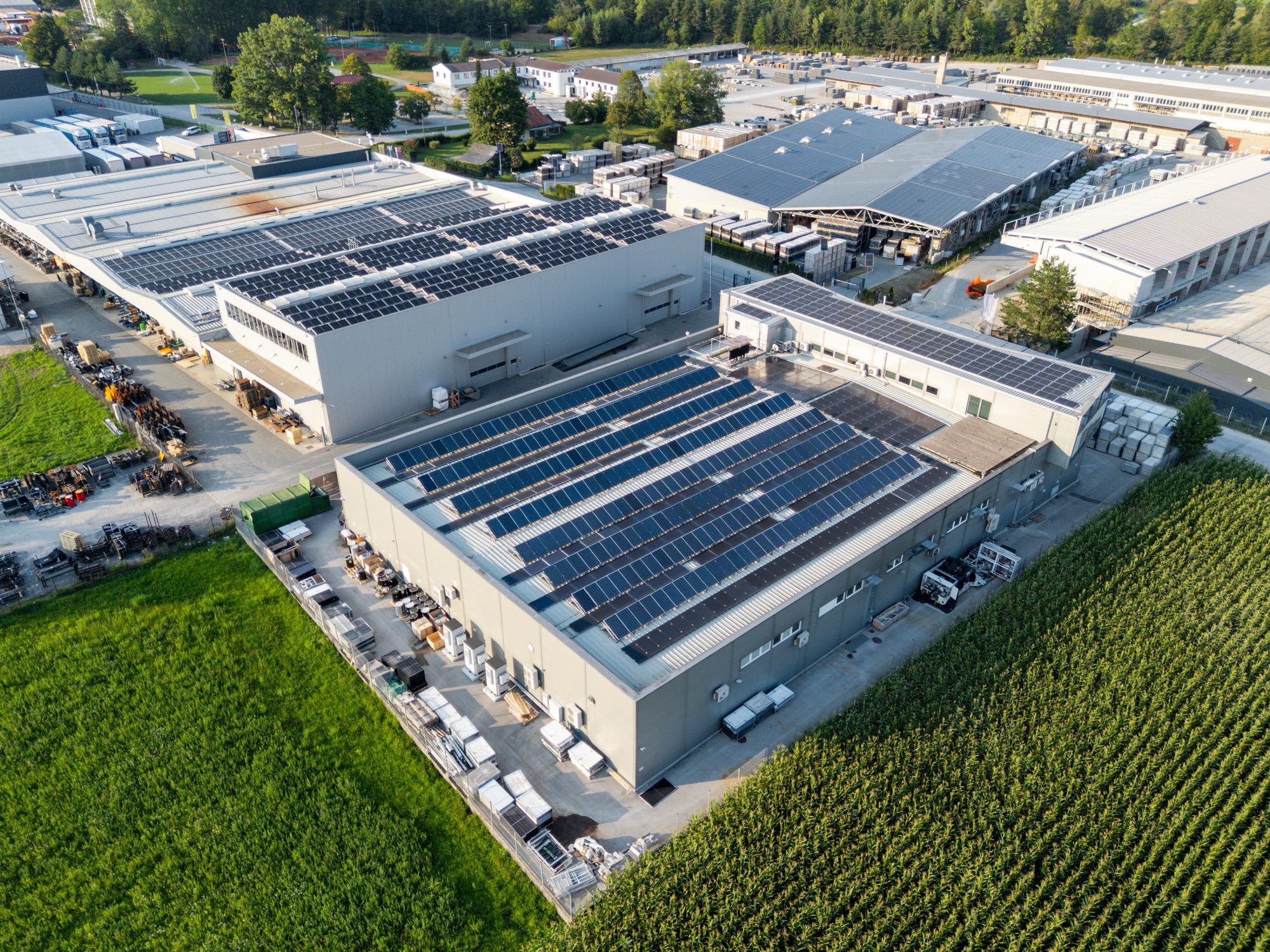
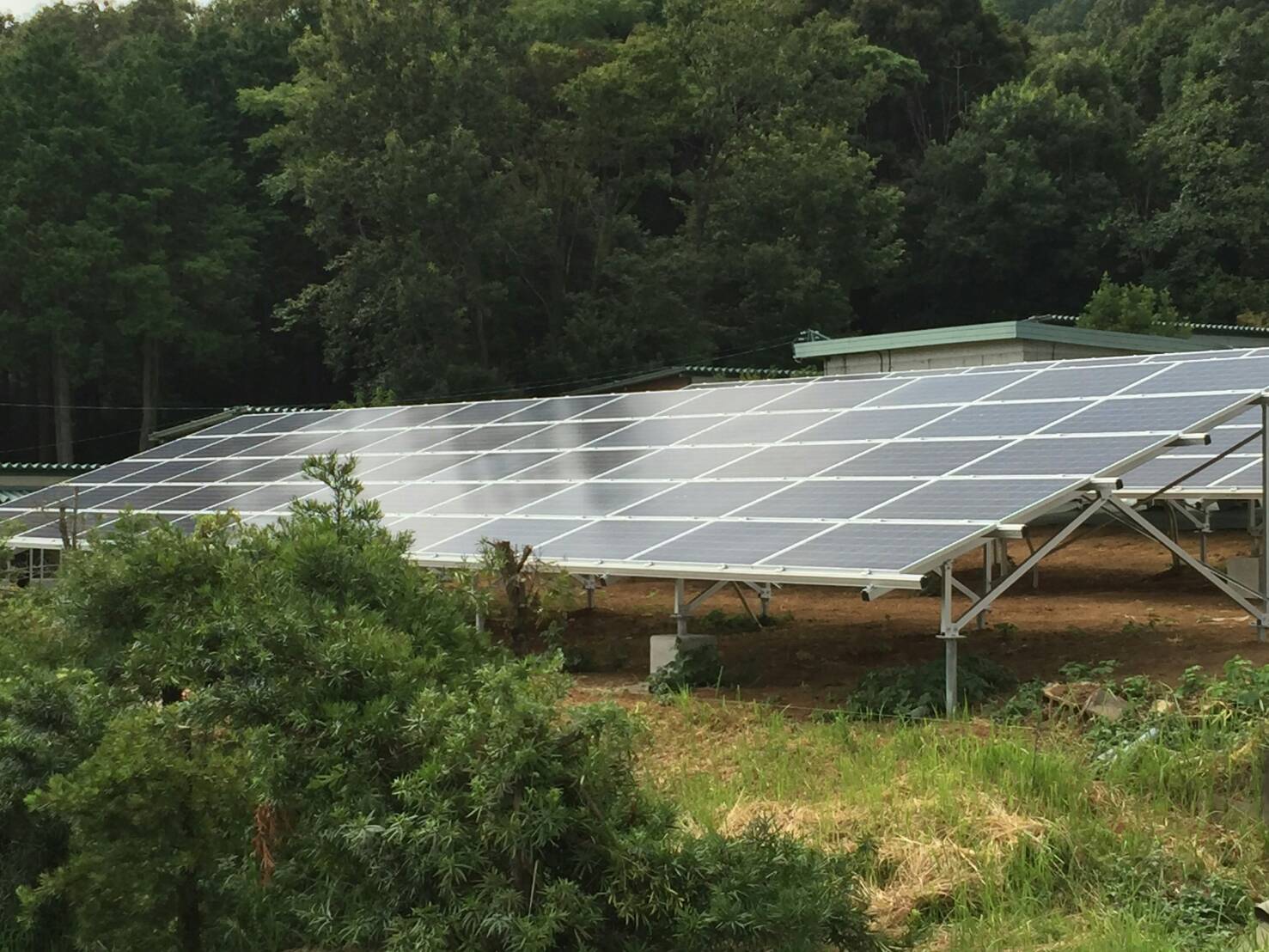
Each solar application presents unique structural challenges. Residential systems require lightweight solutions that protect roof integrity. Commercial and industrial rooftops demand high load-bearing capacity and fast installation. Utility-scale projects rely on heavy-duty ground-mounted systems capable of handling extreme environmental conditions.
Advanced applications such as BIPV systems require structures that serve multiple purposes — acting as both energy support and building envelope. In all cases, engineering adaptability is key to achieving both strength and efficiency.
A Structural Approach to Solar Success
At Skynacyc, solar mounting systems are designed as engineered solutions focused on performance, safety, and longevity. By combining structural analysis, optimized layouts, and high-quality materials, each system supports stable energy delivery throughout its operational life.
Building Solar Systems That Last
Strong solar structures do more than support panels — they protect energy output, reduce risk, and increase return on investment. Designing for long-term strength and efficiency ensures that solar installations continue delivering clean energy year after year, regardless of environmental challenges.
In the rapidly growing solar industry, engineered structural design remains one of the most critical factors separating short-term installations from truly sustainable energy systems.